Blog

Managing the Books

By |2026-08-19T16:11:00+01:00August 19th, 2026|Categories: Blog, News, The Test Strip Photoblog|Tags: , , , , , |

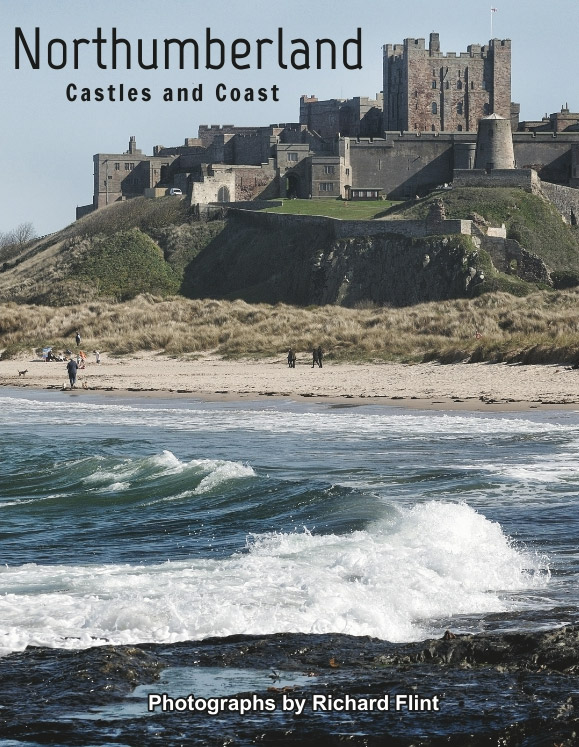
Managing the Books.  A work in progress cover for the next photo zine
A work in progress cover for the next photo zine

A Good Start

Releasing a new photobook is always exciting and the completion of my fourth book felt like an important milestone. The Territorial Army photo zine in July was a great way of celebrating the thirtieth anniversary of the photography project, but it has also led me towards a rethink regarding future book releases.

At the core of the issue is cost and time, with the recent photo zines showing a potentially better way of producing a photo book that is affordable for those wishing to purchase. The books also need to be delivered in a more timely manner without years between releases.

The first photo book, Sea Sky, Sand and Street came out way back in 2011. It was a great collection of iPhone images of Norfolk that came together in a hardback book that is still available on the Blurb store. The project was a great way of learning about building a book and it was an exciting period of developing a book from start to finish.

Back to Basics

After such a strong start with the first book, book project ideas went into a protracted development hell with the inevitable result that nothing was finished. By 2019, I’d decided that a simple photo zine format was the best way into making books again and the result was the very personal ‘Caught by the Tide’.

With the recent Southerly Point and Territorial Army photo zines a design template was created used to speed up the design and layout processes. It appears to work well with the Territorial Army photo zine taking just six months from the basic idea through to release. A large part of that time, however, was spent ‘remastering’ the original film shot images to get the best print quality for the book.

The causeway at Lindisfarne

The first two books had release dates eight years apart, whereas the two recent zines two had only a year. That just seems a better way of completing the release of a photography book or zine.

Managing the Books

The book development philosophy needed to change. I enjoy creating photo books but I’ve recognised that some books are just FAR bigger projects than others – not only in scale but also the cost in money and time.

The aim now is to get at least one book, usually a photo zine, released each year with a larger book arriving every two or three years. Some of the planned books will transfer to the zine format but there will remain big project books i.e. a hardback photography book.

An important factor is also making the books affordable for those who wish to buy them. A zine that costs under £20 is far more viable than a hardback book that costs £80. Blurb often have generous discount offers that can reduce the price by up to forty percent.

The Next Chapter: Northumberland

Going forward the next photo zine will be about Northumberland with the plan to create an hundred page zine with approximately ninety images. The photography will cover quite a few years from my first visit to the county in 1992 through to 2026. I’d like the release before the end of the year but if not then early next year would suffice.

Projects such as Two Towns and the first of the books covering my work in Norfolk will remain books rather than zines. I’ll be talking about the changes to the books in the next podcast.

Check out the Richard Flint Photography Podcast for that and also some terrific new photography links that are mentioned in every episode.

Looking After History

By |2026-04-20T07:45:22+01:00February 24th, 2026|Categories: Blog, The Test Strip Photoblog|Tags: , , , , , |

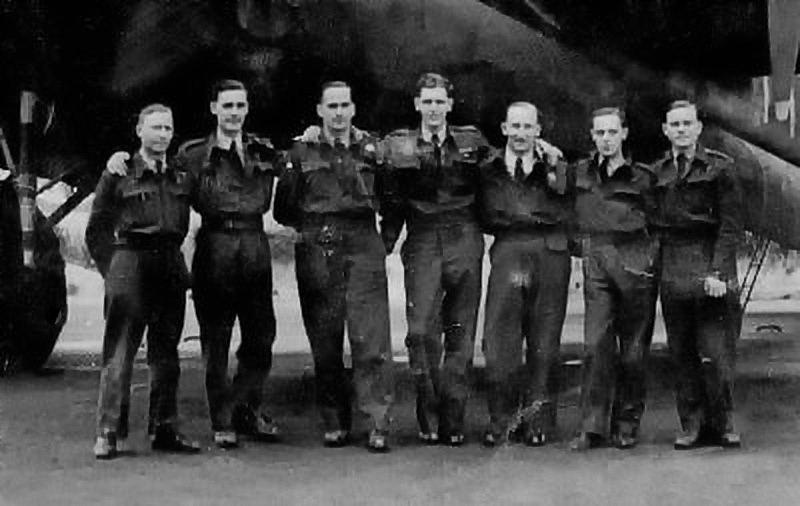
vintage image repair: On ongoing photograph repair - the crew of the Lancaster Bomber ED 701 PM-B2

Lost Crew

Vintage photograph repair can be a long process and challenging at times, but the reward of expanding a photograph’s lifespan is always a good motivator. While other forms of photography may get more attention or even have wider appeal, we all look after one of the most important visual documentary records – our family albums. It’s a social history not curated by a museum or gallery, but by us documenting our lives and passing on that archive from one generation to the next.

Occasionally a photograph turns up that is very significant and last year I had that very image appear in the shape of the Lancaster crew photograph seen above. The figure standing third from the left is my great uncle, Sergeant Thomas Davison, who was the bomb aimer on the 103 Squadron Lancaster bomber ED 701 PM-B2. The image was found during a search of the internet for the family tree and came complete with some very interesting history about the crew and the aircraft’s missions. Sadly it is highly likely that my Grandpa, who died in 1988, had no idea that a photograph of his brother with his crew ever existed.

Repairing the Past

A old photograph, even a poor quality one, is better than no photograph at all. The quality of the image is not great but I have seen far worse. The image above remains a repair work in progress but it is looking much better with some damage repaired and image quality enhancements. The next stage is a common issue with vintage photograph that of improving image quality. Finding the image and the information about this crew, however, was hugely important. It put a face to the names that I’d read about for nearly thirty years. Better still the photograph and casual pose of the crew gives a sense of being a close knit crew focused on the job. It is a wonderful photograph of them all.

Sadly the crew did not survive the war. The Lancaster was shot down during the night of the 22nd-23rd August 1943 by Oberleutnant Heinz Strüning, a night fighter ace who amassed a total of 56 victories before being shot down and killed by an RAF Mosquito on Christmas Eve 1944. The ramifications of Thomas Davison’s death lived with the family for some years, made worse by the close relationship my Grandpa had with his older brothers ,Thomas and Norman, before the war. His older brother Norman would die some ten years after the war due to head injuries received in combat.

The old photograph on the photograph repair page is of the Davison brothers Eric and Norman walking with their parents at Scarborough in the early to mid 1930’s.

Remembering

I’d like to dedicate this post not only to the memory of the Davison brothers, Eric, Thomas and Norman, but also to Thomas’ crew of the 103 squadron Lancaster ED 701 PM-B2.

W/O Kenneth Breckon DFM RAFVR – 103 Sqn – Jonkerbos War Cemetery, Netherlands.

Sgt William John Wearn RAFVR – Flight Engineer – 103 Sqn – Jonkerbos War Cemetery, Netherlands.

F/S Claude William Jones RAFVR – Navigator – 103 Sqn – Jonkerbos War Cemetery, Netherlands.

Sgt Thomas Davison RAFVR – Air Bomber – 103 Sqn – Jonkerbos War Cemetery, Netherlands.

Sgt John Harwood RAFVR – Wireless Operator / Air Gunner – 103 Sqn – Jonkerbos War Cemetery, Netherlands.

Sgt Albert Edward Lefort RAFVR ( pictured above ) – Air Gunner – 103 Sqn – Jonkerbos War Cemetery, Netherlands.

F/S William Henry Austin RAFVR – Air Gunner – 103 Sqn – Jonkerbos War Cemetery, Netherlands.

Disappearing History

By |2026-04-15T12:36:59+01:00December 6th, 2025|Categories: Blog, The Test Strip Photoblog|Tags: , , , , , , |

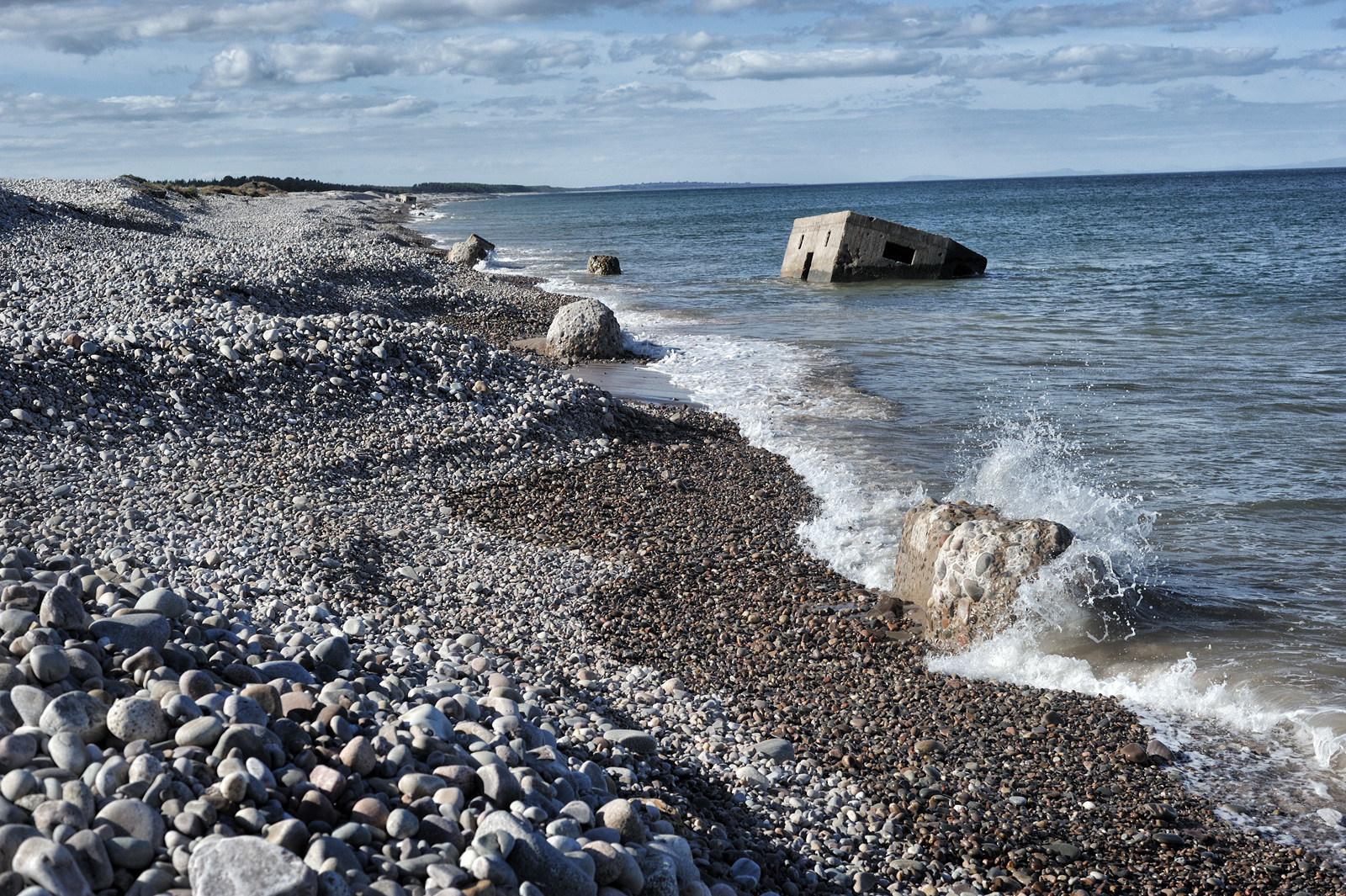
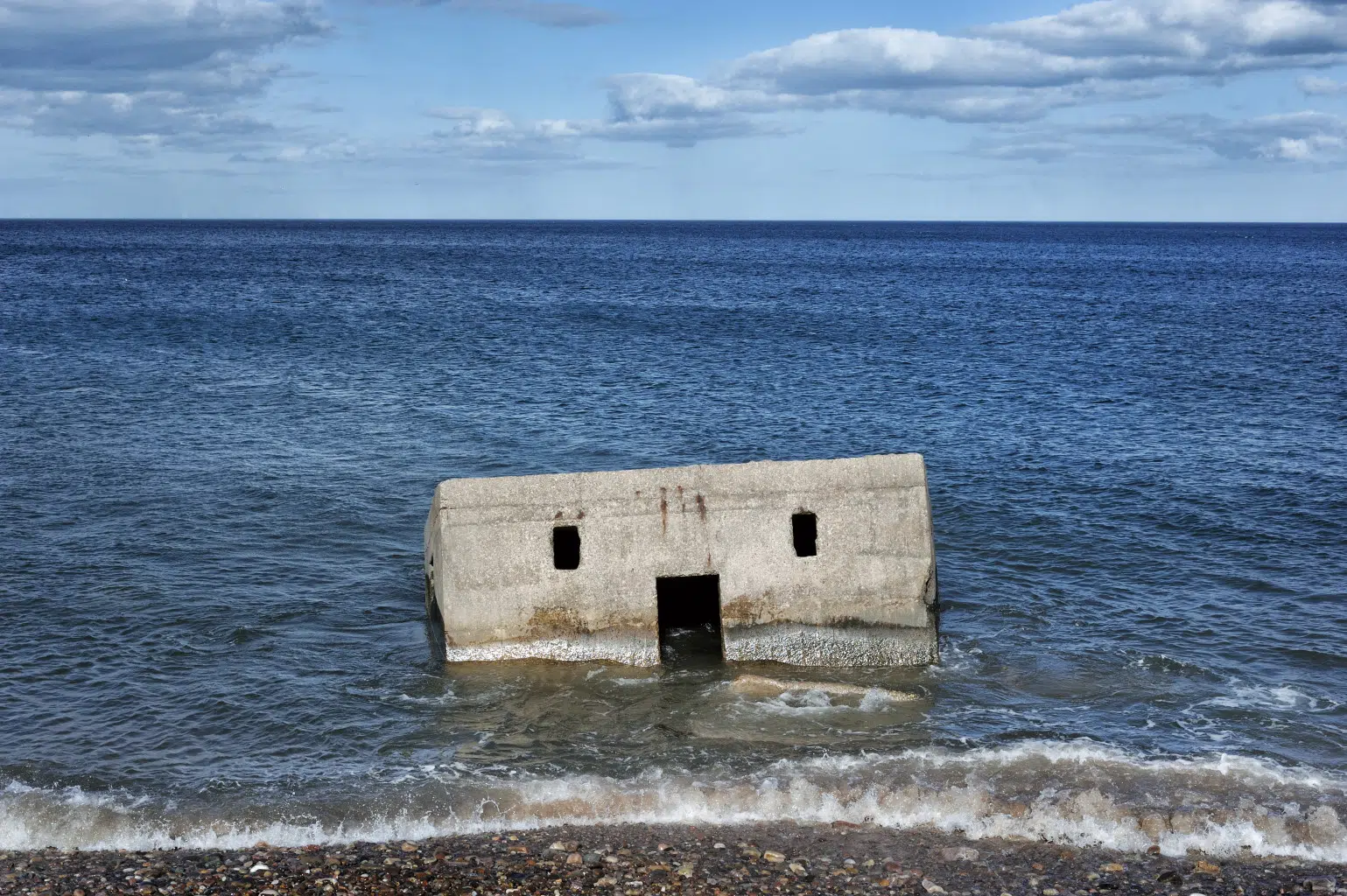
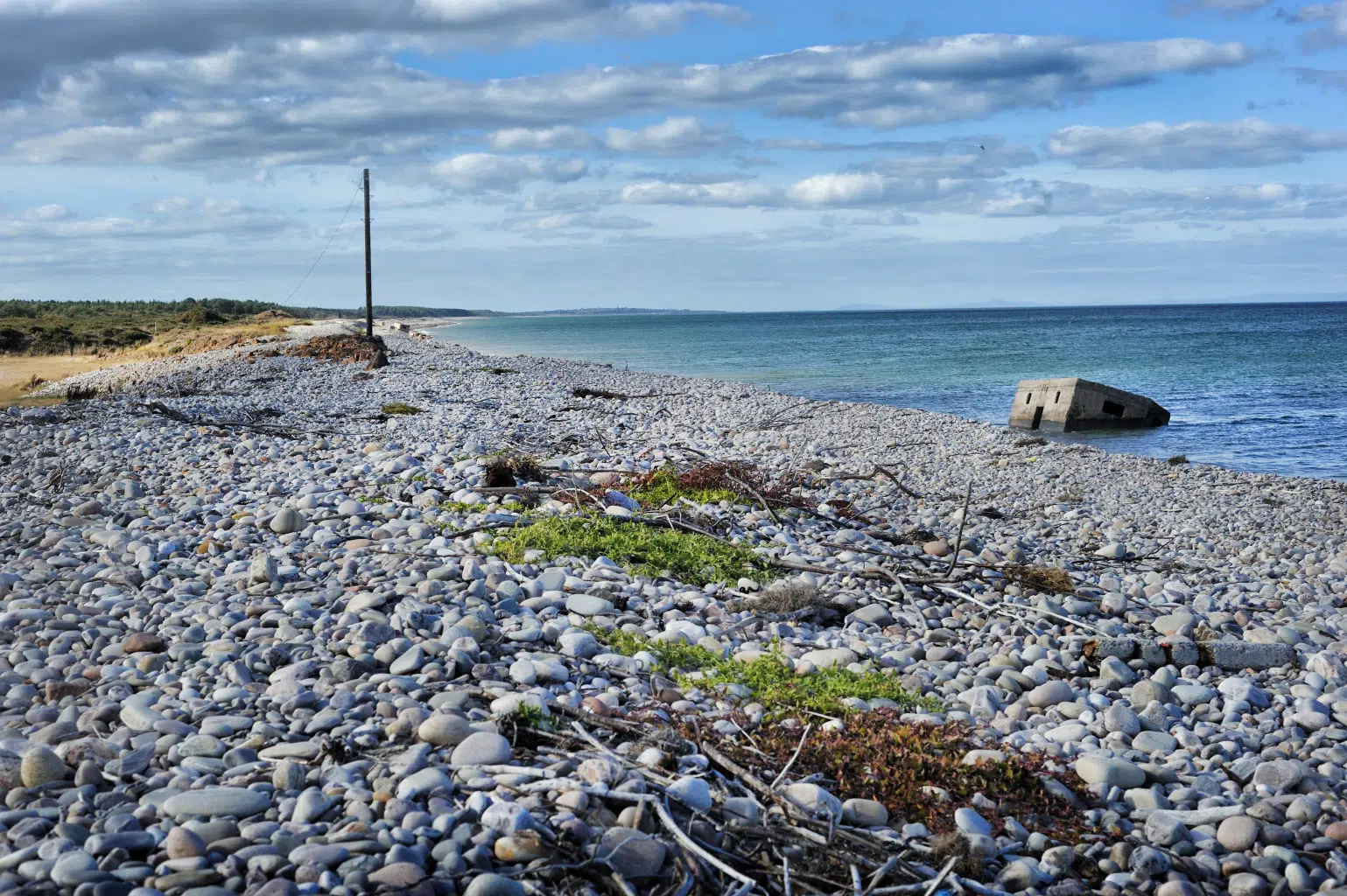
Disappearing History - A World War Two pillbox partially submerged due to coastal erosion
A World War Two pillbox partially submerged due to coastal erosion – near Garmouth, Moray, Scotland

Photographer’s Instinct

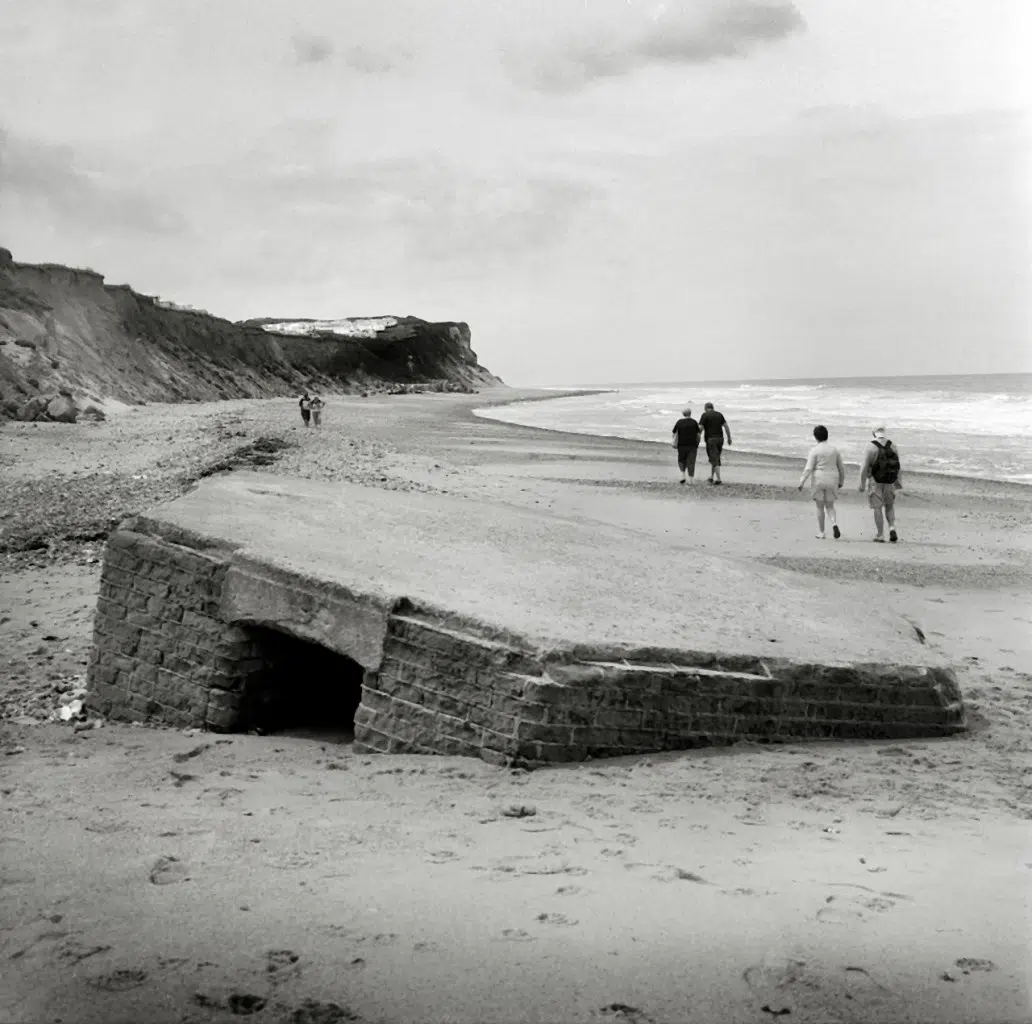
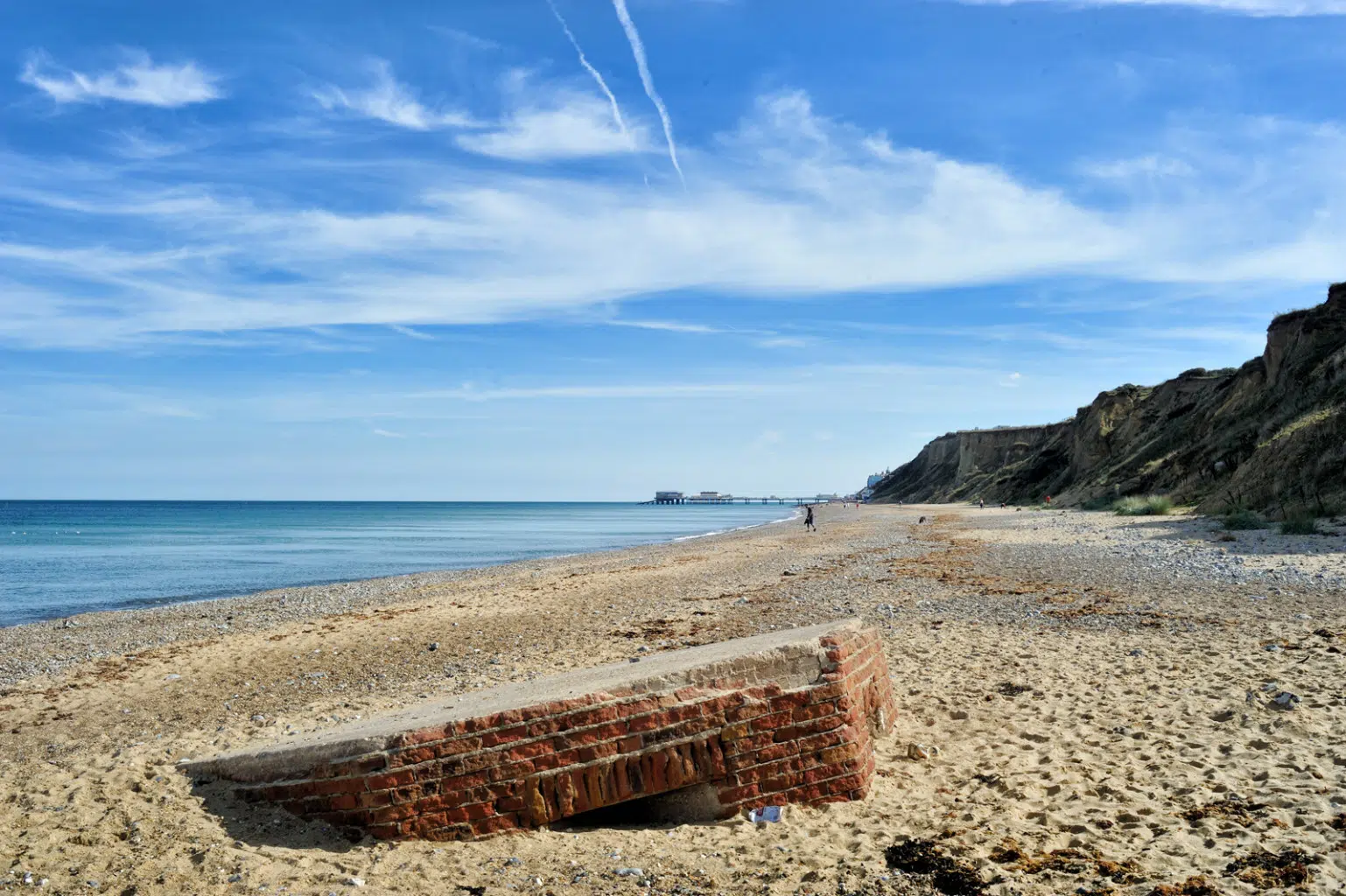
World War 2 pillbox located on the beach between Cromer and East Runton in Norfolk, UK
Pillbox on the beach between Cromer and East Runton, Norfolk, 2009

It’s been a bit of a slightly turbulent end to the year with a dose of flu interfering with a visit to Scotland. Even when in the grip of the flu, the instinct for getting photograph pushed its way through regardless of how I felt. Sometimes a location just draws you to it. So though I wasn’t feeling too great because of the bad flu I’d picked up a week earlier, nothing was going to stop me from investigating further along the shore.

Type 24 Pillbox

In this case, it was the sight of a partially submerged World War Two fortification, (the Type 24 pillbox, one of the most common in the UK, was part of the beach defences for the Scottish Command Line on Scottish beaches identified as potential landing grounds for a German invasion) slowly slipping into the sea due to coastal erosion. There was something slightly sad and yet inevitable about the whole scene which you don’t have to go far in the UK to find.

I’d spotted the pillbox as I’d walked along the beach and instantly the photographer’s instinct to investigate kicked in. It wasn’t to much of a walk but the pebble beach made the footing underneath precarious at times, especially when you aren’t running at 100% efficiency. From a distance, and even upon getting closer, the concrete structure looked like an old 1950’s sci-fi movie robot starting to emerge from the waves.

Norfolk Pillbox

Many years ago, I photographed a pillbox (a type 22 I think?) located on the beach between Cromer and East Runton in Norfolk. The structure had originally been located on the clifftop, but the sea had eroded away the cliff and the pillbox had dropped to the beach below. Another pillbox image was taken at Weybourne with the pillbox located in a field. That image can be found in the Norfolk project gallery.

I photographed the Cromer pillbox again in 2016 and, although the sand had covered more of it, the old beach defence structure didn’t appear to have moved much. I’ve no idea how the old pillbox has faired against the elements since. I couldn’t find it on Google maps but the beach was half covered in shadow. Maybe the sand has completely covered it.

The pillbox near Cromer in Norfolk photographed in 2016
The pillbox near Cromer photographed in 2016

Beach Defence Monument

World War Two is starting to feel like distant history now. As someone who grew up with grandparents who had been through World War Two, it felt close enough to touch. These pillboxes are monuments to that history. Sadly many of them are are still in a fight with the sea, one that they will eventually lose.

So why were the beach defences there? They would have been constructed during the early years of the war when an invasion from France, or in Scotland’s case German occupied Norway, was thought possible. Norfolk, on the east coast of England with wide flat beaches, was the closest to Germany so the defences were quickly added.

After the war, the pillboxes then began their long new role as a lasting concrete monument to the conflict. Hopefully the pillboxes will continue to endure the winter storms and rough seas, keeping their structures above the waves, and remaining a monument to WWII history, for a few more years yet.

Accessing the Archive

By |2026-04-20T07:53:50+01:00July 21st, 2025|Categories: Blog, The Test Strip Photoblog|Tags: , , , , , , |

An AI World

I don’t often write about technology issues but you don’t have to look far these days to hear or read about how artificial intelligence (AI) is going to improve all our lives. Indeed the first elements of AI ‘assistance’ have recently arrived in mobile phones and photograph enhancement. Increasingly new technology invades our life’s, often in subtle ways, producing both good and bad results. You only have to see how digital imaging and the internet radically altered the photography landscape over the past thirty years to realise how quickly things can change. Even the image above for this post was created using AI.

It’s not all bad news. Over the past year, AI technology has increasingly helped solved a number of small family photograph problems. I’ll talk about that in another post, but suffice to say that I’ve been impressed with what even basic AI can achieve when it comes to photography enhancement. The tool I probably find the most useful are the resizing options now available enabling me to increase the size of a digital file so that it can be printed. The photograph of my Grandad celebrating the end of the war on May 8th 1945, and posted on the Darker Skies blog, was a good example of a very small image file enhanced to finally get a print.

Artificial intelligence doesn’t just help create though. It also consumes. It learns from other content available online and that is where the AI issue starts to become slightly more concerning.

Feeding the Algorithm

As you would expect, this photography website holds the a substantial part of my photographic output from over the last thirty years. A small select number of images go back even further than that. I’m not a huge fan of the word content especially if used to describe me as a ‘content creator’. I think that term does a disservice to the millions of great creative people out there working away. Content creator does, however, in one go, cover a multitude of practices. We all put our lives, talent and skills out onto the internet. Sometimes that is rewarded with cash, mostly it’s just about putting it out to the world for people to see it. We all want to be seen, right?

Here is where alarm bells have started ringing. Good quality content has value and yet increasingly it looks like the AI companies do NOT want to pay for it. Already we have seen where authors have found AI models were trained on the text of their books without any thought of copyright or payment. After reading a couple of posts on the Cloudflare blog a few things have started to become clearer, or at least become more of a concern for where AI and our content is heading. The core of the post deals with something that we’ve all known about for a long time. We are the product. Our content adds value to all of the platforms we use, but increasingly the tech companies seem to be taking that for granted. Even worse, they seem to want to make money out of our content, leaving us out of the deal.

Blocking the Bots

Over the last few weeks, the website has started using Cloudflare’s blocking system to stop AI bots from accessing content on the site. Is it bolting the door after the horse has bolted? Possibly, and it will be difficult to ascertain what has already been searched by the AI training bots, but at least it is some kind of fightback. ChatGPT and others are still allowed access as they are quickly gaining ground over the search box as a way of finding information. Not all the bots are bad, but exploiting content creators to monetize an AI service at the expense of artists, photographers, musicians, filmmakers is not the best route to take.

No AI crawl without compensation! Its a fine idea. Pay creators for their content. it’s not a revolutionary idea but one that’s fair to the people whose creative talents have given the bots something the crawl in the first place. Business models are changing and we have to adapt to them, just as we have adapted to previous technological changes. It’s not going to be easy and I’m, like most people, a bystander when it comes to understanding what’s going on. I rely on others who know more to help me make a decision. Awareness is key otherwise the AI might, just might, not just take an inch. They’ll take a mile!

A Question of Redress

Yes, it’s all about money. Meta, Google and others want to make it with AI services, but the question remains, do they want to reward those who contribute to the AI learning process? So far it seems not. Working in the creative industry is tough. Very tough! Increasingly it is getting harder and harder to make a living as technology becomes a substitute for skill. For talented people to flourish it needs their work to be appreciated both aesthetically and financially. High quality content creators, artists etc need to be valued. Sadly it appears that many of the larger tech companies see us ALL as just a resource to be tapped

Relevant Links

Content Independence Day: no AI crawl without compensation!

Control content use for AI training with Cloudflare’s managed robots.txt and blocking for monetized content

Subscribe to Website News via Email

Enter your email address to subscribe to this website and receive notifications of new posts by email.

Follow Me on Social Media

Recent RFP News Posts